
A Denver furnace is not a sea-level furnace
At 5,280 feet the air holds less oxygen. A gas furnace left on factory settings burns wrong.
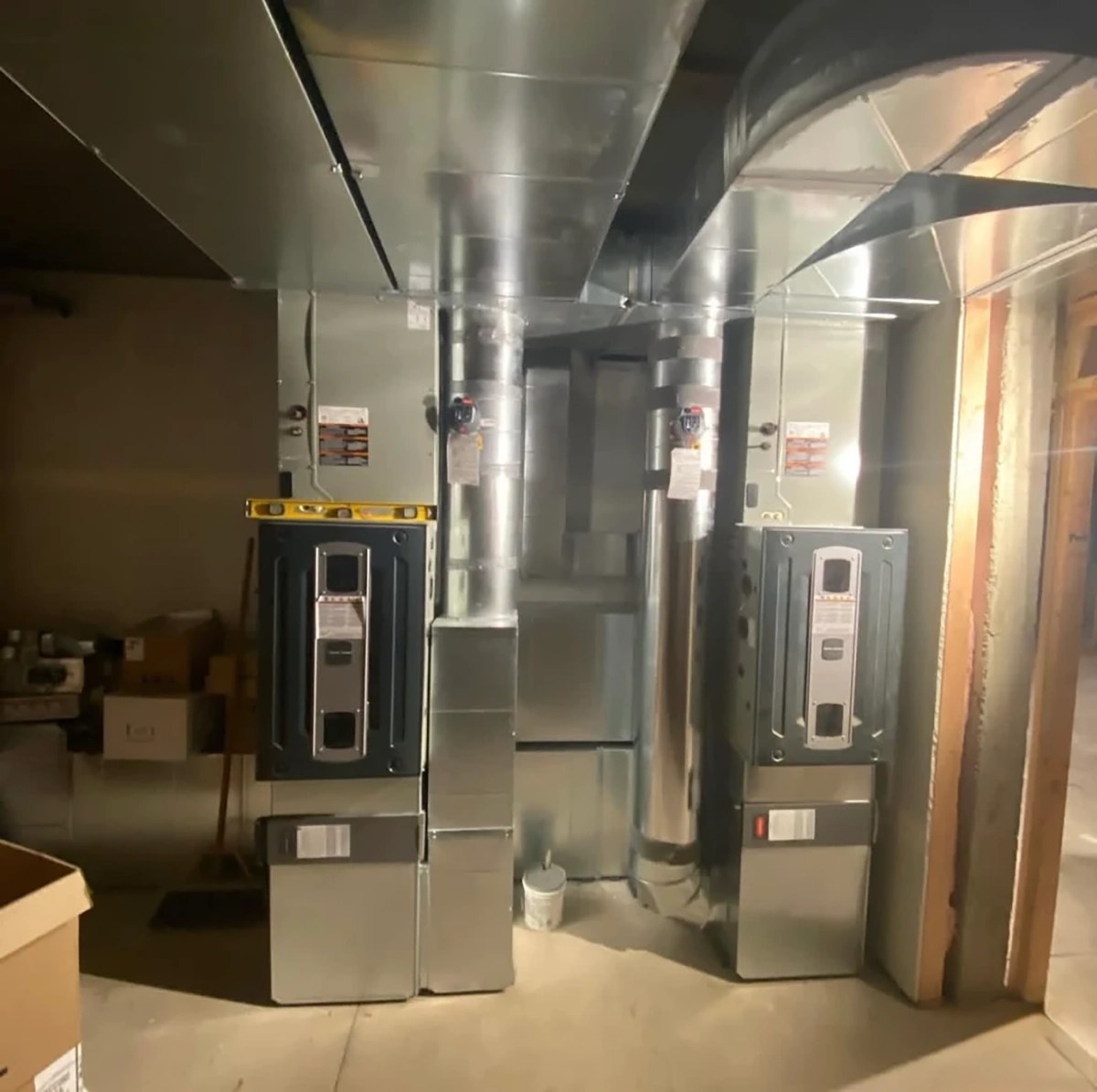
The air is thinner
Denver sits at 5,280 feet. Air pressure is about 12 psi, against about 14.7 at sea level, so each cubic foot of air is roughly 18 percent less dense. A gas flame needs oxygen. Less oxygen means the factory fuel setting is too rich.
Fuel-gas rules derate gas appliances above 2,000 feet, about 4 percent of input for every 1,000 feet. At a mile high that lands near a 20 percent cut, so the gas matches the oxygen that is actually there.
What actually gets changed
Smaller burner orifices. Manifold gas pressure set to the manufacturer's elevation table. Then a combustion check of the flue gas. The kit is parts. The proof is the reading, not a sticker on the cabinet.
Skip that and the flame goes yellow, soot builds on the heat exchanger, and the furnace runs long while the house still feels short of heat. Carbon monoxide is the risk when the burn is incomplete. A furnace can heat the house and still be set wrong.
It is often a setup, not a new furnace
A furnace that came from out of state, or was installed and never derated, is a setup problem until the combustion check says otherwise. If the heat exchanger is cracked or the unit is at the end of its life, that is a different conversation, and it gets a written price of its own.
Nothing is charged on the site. The number comes from the desk before the visit is booked.