
Heat pump, furnace, or both
A lot of Denver houses do not need the furnace pulled. A heat pump can carry the mild hours. The furnace stays for the cold ones.
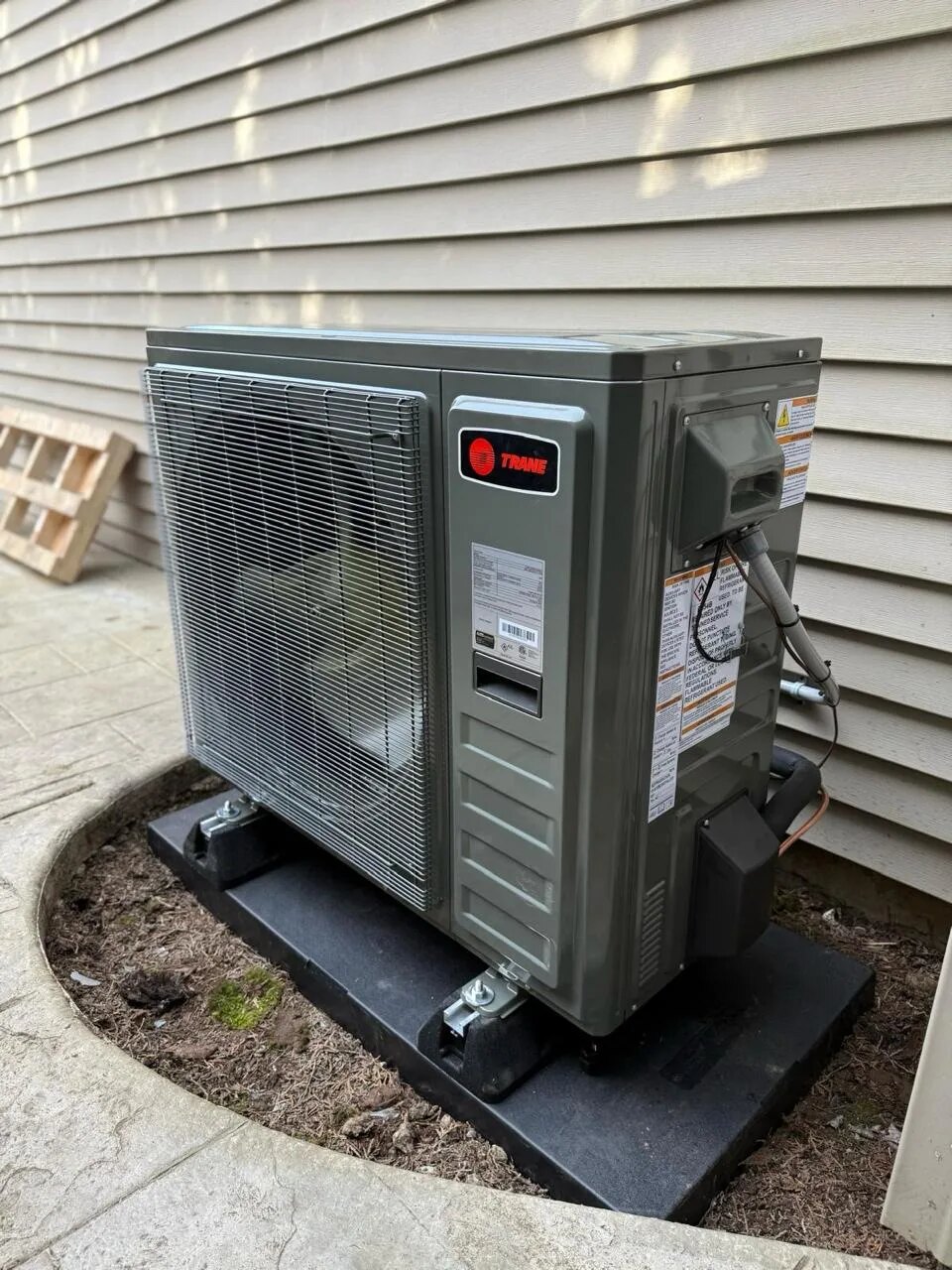
What the question actually is
People ask about a heat pump when the furnace is old and the air conditioner is due at the same time. A heat pump heats and cools. It moves heat. It does not make a gas flame. The air at the vents is warm, not the hot blast a furnace puts out. That difference is normal. Air that is cooler than the room is not.
Both, for most Front Range houses
The usual Denver answer is dual fuel. The heat pump handles cooling, and it handles heating while it is merely cold. The gas furnace takes the hard nights. Changeover is often set somewhere in the mid-20s to about 30°F, matched to the equipment, not one number for every house.
That covers most of the heating hours without asking one outdoor unit to carry a below-zero week by itself. Chinook days that swing 40 degrees are easier on a system that can change from heat to cool without a wide gap in the thermostat.
A cold-climate model is still a machine at altitude
Some heat pumps are rated to keep working well below zero, and Denver's design heating temperature sits near 1°F, which is inside that range on paper. Altitude still cuts capacity, the same way it cuts a furnace. A house with a working furnace usually keeps it as the backup.
Ice on the outdoor unit, heat that will not come, or a thermostat stuck on emergency heat can be a defrost problem, a reversing valve, or the wrong mode. Those are repairs. A new system is the conversation when the furnace and the air conditioner are both at the end of their life. The price is written before the truck is booked.